Our projects
Project Initiation Meeting
LCCP/SL believed that, Project initiation around the Loma Landscape is the first step in starting a new project. It ensures that you lay a strong foundation by outlining the project’s purpose and securing buy-in from key stakeholders. This phase is essential to prove the business need for the project, confirm its feasibility, and start assembling the project team.
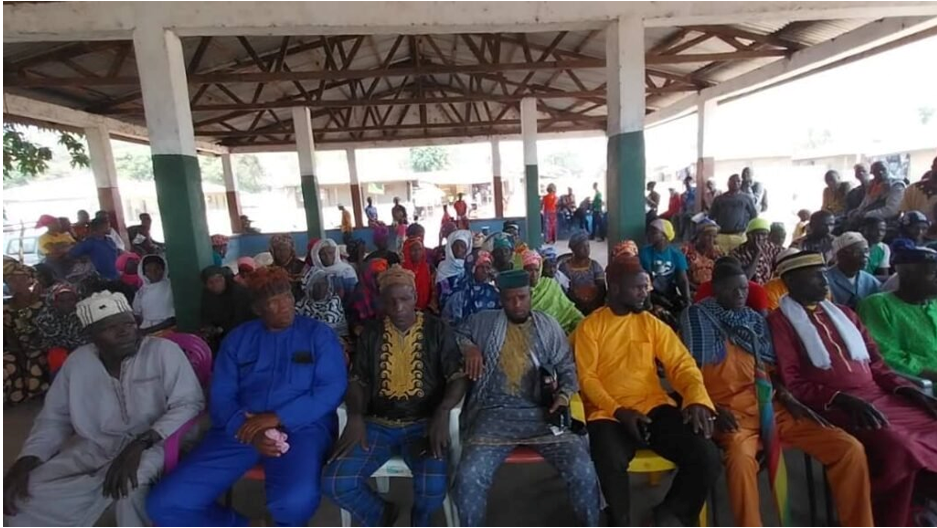
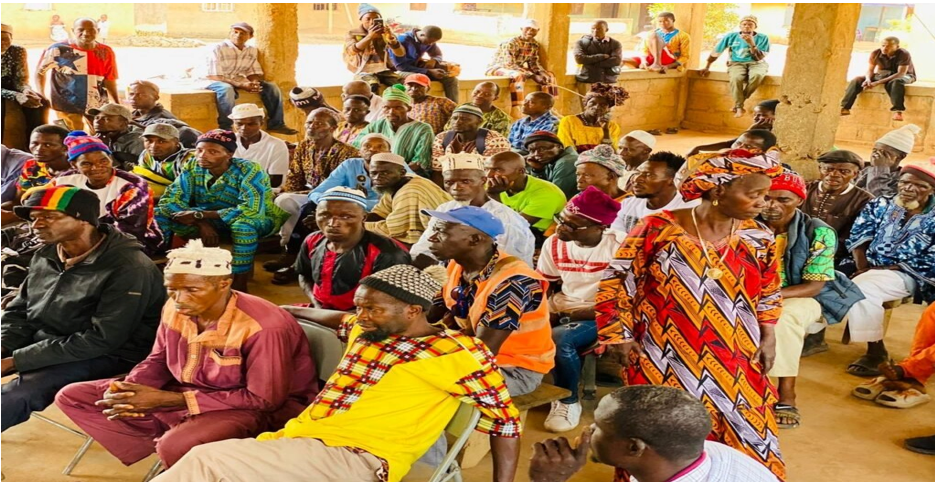
We also reorganized that the project initiation meeting with community members is vital for successful project outcomes, particularly in community-focused initiatives comprises of local stakeholders Paramount Chiefs, Chiefdom Speakers, Sections Chiefs, Town Chiefs, Women’s Leader, Youth Leaders, Religions Leaders and District Stakeholders .It ensures community buy-in, helps identify specific needs, and facilitates collaboration, leading to more effective project planning and implementation. We also believed that, Initiation meetings demonstrate respect for the community by actively involving them from the outset
Key Stakeholders’ Engagement
At LCCP, we believed that, engaging key community stakeholders at the Loma Landscape is crucial for our existing and forthcoming successful project implementation. This tactic ensures projects align with community needs, build trust, and foster collaboration, leading to better outcomes. By actively involving stakeholders, projects are more likely to gain buy-in, reduce conflicts, and improve project transparency and accountability. This process encourages community participation in project planning and decision-making builds trust and support among stakeholders, increasing the likelihood of project success. Engaging stakeholders early and often can help identify and address potential conflicts before they escalate, fostering a more harmonious and collaborative project environment, and it also promotes transparency and accountability, ensuring that all parties understand the project’s goals and objectives and are kept informed of progress.
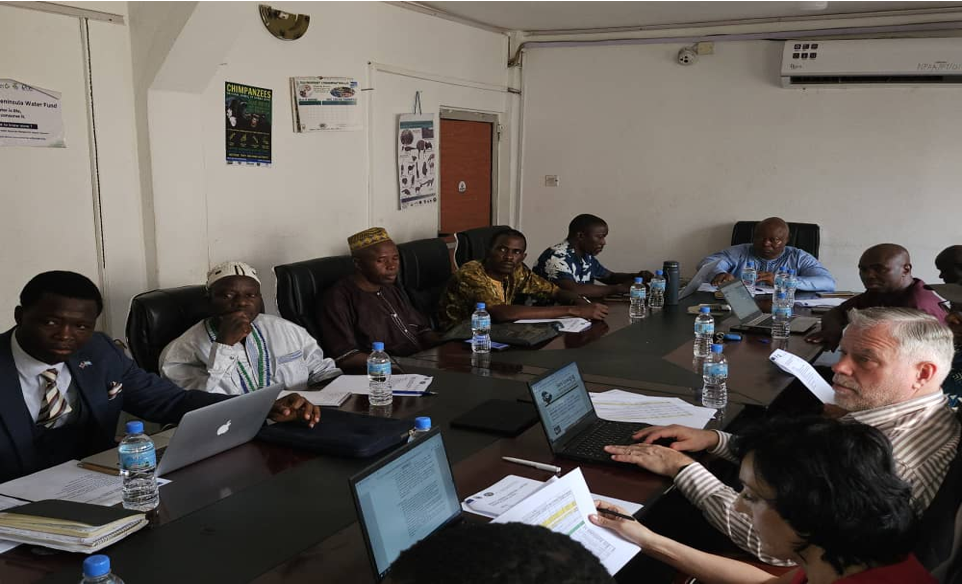
Community Stakeholders (Paramount Chiefs, Government Representatives (NPAA) and The European Union (EU) Project Implementation Meeting at NPAA Office Freetown.
At LCCP/SL, we believed that, bringing together government regulators, donors, and key community stakeholders is crucial for the successful design, planning, and implementation of our Loma Lanscape project. This collaborative approach ensures that all perspectives are considered, leading to more effective, sustainable, and community-supported initiatives.
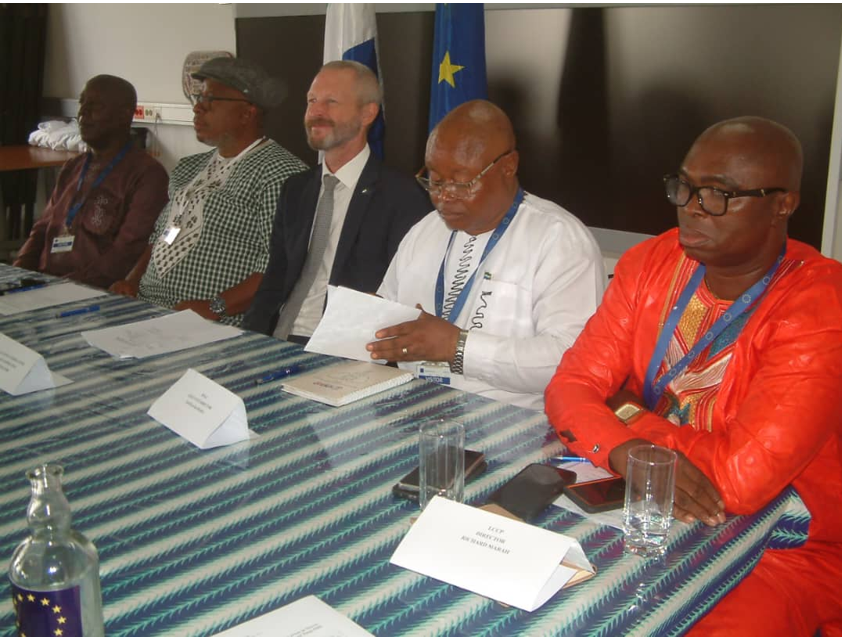
Signing of project contract at the Delegation of the European (EU) Office in Freetown
Signing Ceremony for the constructions of 30 hand-pumps water-well funded by European Union (EU) Through the National Protected Area Authority (NPAA) Government of Sierra Leone.
Conservation of high-value biodiversity areas in Sierra Leone – Loma Mountains National Park and the Tingi Hills (Sanka Biriwa) Forest Reserve is a European Union (EU) funded project to the Government of Sierra Leone Through the National Protected Area Authority (NPAA). This is one of the first project implemented in Sierra Leone by EU to the Government of Sierra Leone through NPAA by Giving community members a chance to received funds directly to their respective Chiefdoms Administrative Council Account (CAC) to operate and manage funds without the interference of the Government and the donor. This approach actually gives sense of unity, ownership, and trust. It’s a key aspect of community engagement, allowing for diverse perspectives and leading to more sustainable and effective solutions. This inclusive approach builds community trust, strengthens relationships between Government, donor and communities, and increases buy-in for initiatives. It demonstrates respect for community input and a commitment to their well-being.
Finally, allowing community stakeholders to identify local vendors and contractors within their communities fosters community ownership, strengthens relationships, and potentially leads to more successful and sustainable projects. It also ensures that local businesses and skills are utilized, boosting the local economy and improving the project’s social impact
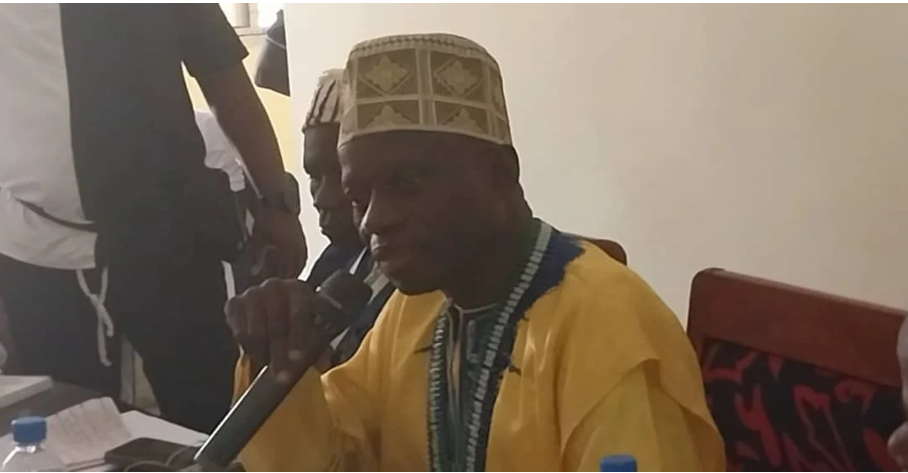
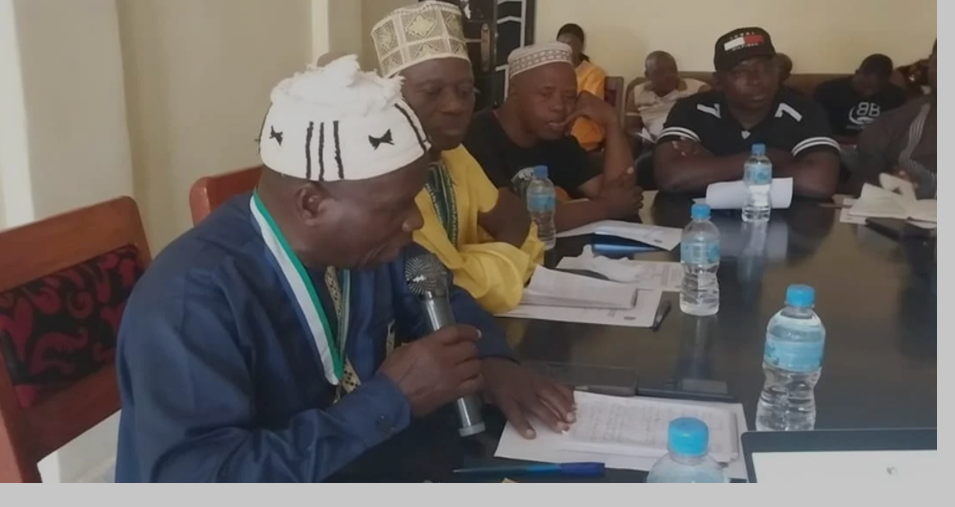
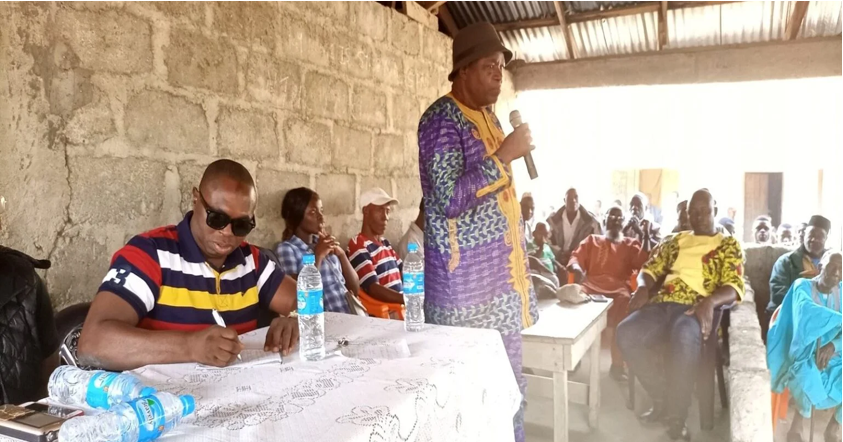
Training of Community Members on Fire Management, Prevention and Control
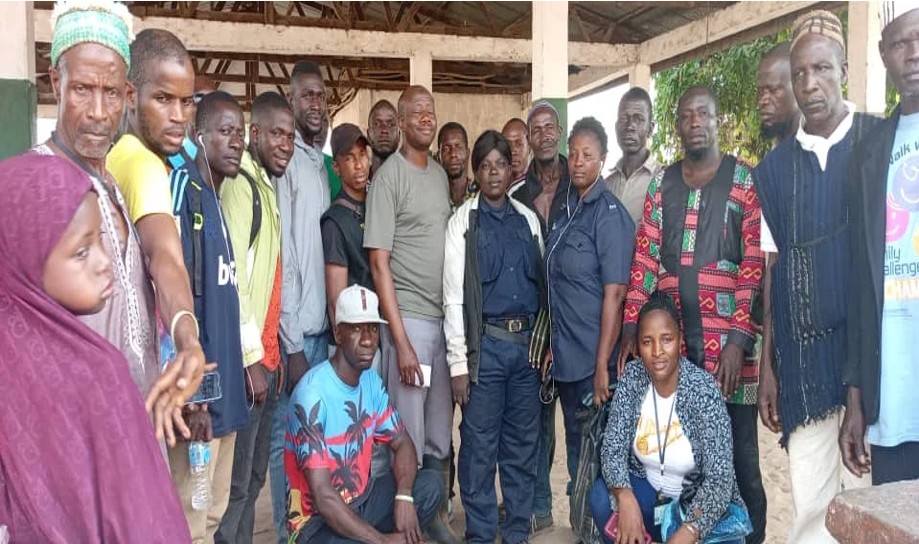
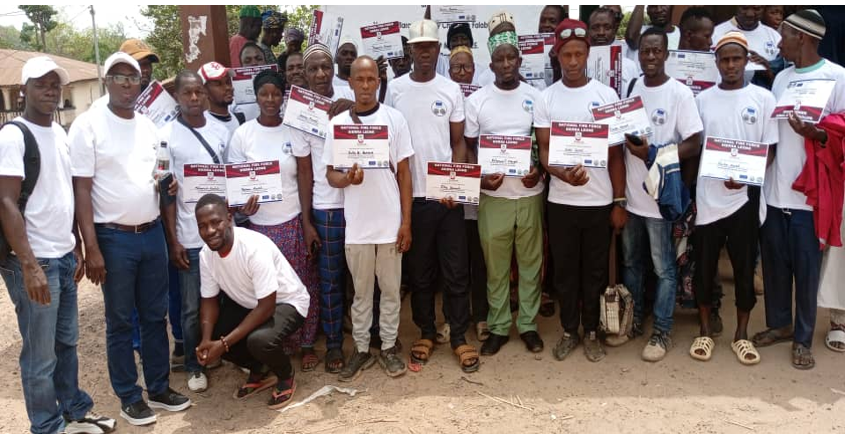
Training community members on fire management, prevention, and control is crucial for safety and sustainability. It empowers residents at the Loma Landscape to understand fire risks, implement preventative measures, and respond effectively to fires, ultimately reducing casualties, property damage, and environmental impact. Training equips individuals with knowledge about fire behavior, ignition sources, and how fires spread. This understanding is essential for identifying potential hazards and taking proactive measures to prevent fires.
With the Funding from EU to the Government of Sierra Leone through the National Protected Area Authority (NPAA) and implemented by Loma Community Conservation Program (LCCP/SL) in collaboration with the National Fire Force Sierra Leone trained 75 fire-fighters across the Loma Landscapes. Training covers essential fire safety practices, such as safe use of heating appliances, proper storage of flammable materials, and the importance of maintaining clear pathways in case of emergency. The training also helps individuals recognize early warning signs of a fire, like smoke or unusual smells, and know how to react quickly and safely, either by evacuating or using fire extinguishers.
Vegetable Women Crops Production Groups
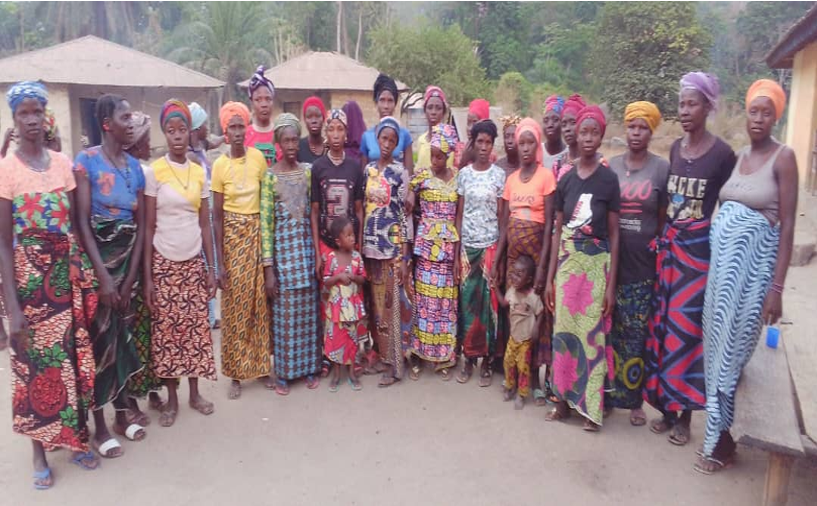
Over the years, we have supported 200 women through diverse vegetable crop production projects. This initiative has become one of the most important activities in addressing the economic challenges faced by rural women. The Vegetable Women Crops Production Groups have truly become a lifeline, enabling women to secure financial stability, support their families, and contribute to sustainable community growth.
Challenges Faced by Women Despite the potential, women encounter multiple barriers:
- Limited access to tools, seeds, and fertilizers.
- Poor transport facilities and restricted access to markets.
- Social exclusion, particularly for widows who carry heavy responsibilities of raising 2–5 children alone.
- Cultural stigma, as widows are often neglected or denied opportunities for remarriage due to their circumstances.
Transforming Lives Through LCCP/SL Initiatives As part of the LCCP/SL cultural reunification and livelihood initiatives, we chose to stand with these women—turning their sorrow into happiness and their struggles into stories of resilience. By empowering them with resources, training, and community support, we are helping them:
- Increase vegetable production for both income and nutrition.
- Access markets and generate sustainable livelihoods.
- Reclaim dignity and strengthen their role in society. In essence, the Vegetable Women Crops Production Groups are not just about farming—they are about restoring hope, building resilience, and creating pathways for rural women to thrive.
FAQ
Common Questions
Find answers about our conservation approach, community partnerships, and how to get involved.
Contact our office to schedule an initial assessment. We work collaboratively to identify conservation priorities that align with community needs.
We currently focus on communities surrounding the Loma Mountains, with plans to expand our reach to other critical ecosystems.
Our programs emphasize community ownership, capacity building, and economic incentives to ensure conservation efforts continue long-term.
Yes, we welcome volunteers with relevant skills. Contact us to discuss current opportunities and requirements.
Our initiatives are supported through grants, partnerships with conservation organizations, and community contributions of time and resources.
Join Our Conservation Effort
Be part of Sierra Leone’s environmental future by supporting our community-based conservation initiatives.